A seasonal beer release has a defined start and end. This might disappoint die-hard fans, but a break gives breweries like Deschutes in Bend, Oregon, an opportunity to refine a beer before its return.
“We look at our brands from a continuous-improvement aspect and make sure that they never get too dusty,” says innovation brewing manager Ben Kehs.
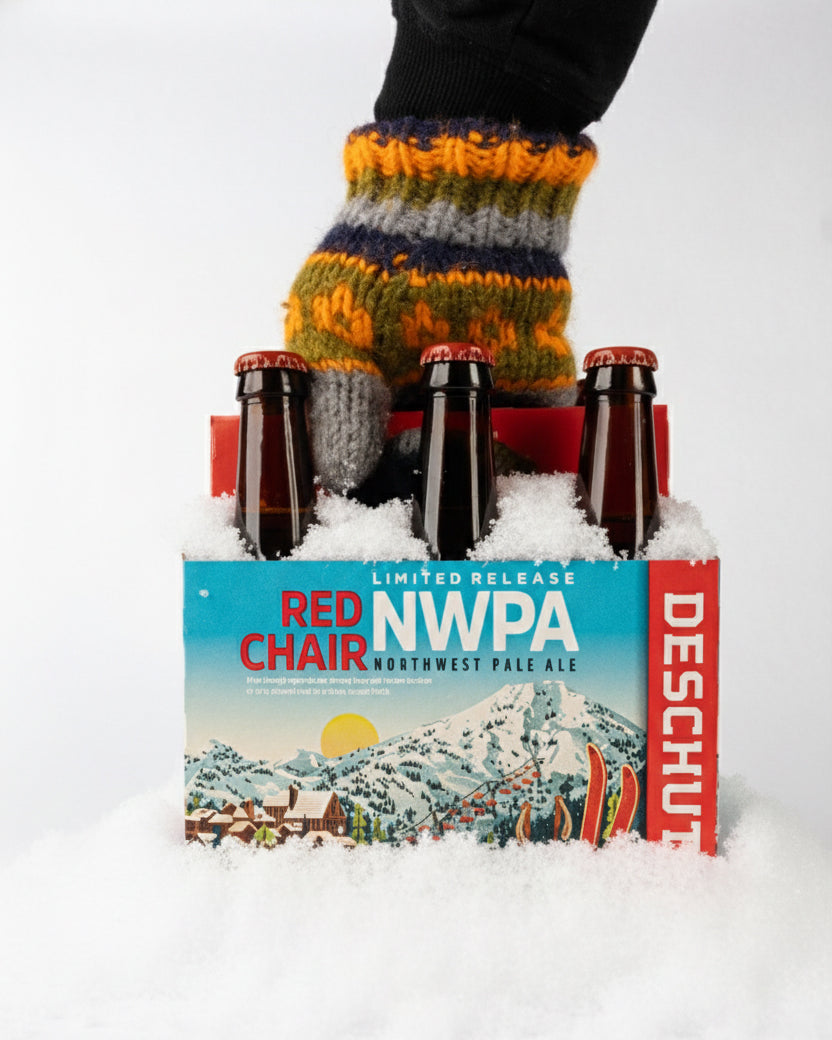
In 2024, the Deschutes brewing team convened to discuss the coppery Red Chair NWPA (Northwest pale ale), a seasonal stalwart since 2010. Red Chair’s earliest iterations were beloved for their intensely floral, rose-like scent from geraniol, an aromatic organic compound found in hops like Cascade.
"The geraniol hop notes come through like a freight train,” former brewmaster Larry Sidor once said of Red Chair. Few beer recipes are etched in stone. New ingredients appear, some disappear, customer preferences evolve. Over time, Deschutes modified the hop bill to include Mosaic, a tropical complement to the floral, grapefruit-y combo Centennial and Cascade.
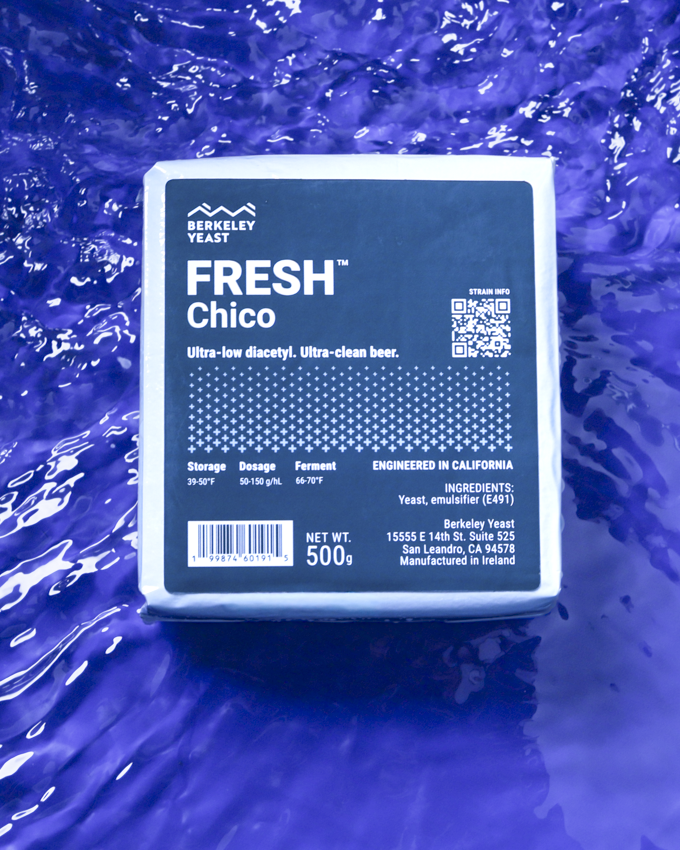
Could Deschutes re-create that original profile, perhaps with the aid of a cutting-edge brewing tool? Deschutes turned to SUPERBLOOM™ from Berkeley Yeast. The innovative California lab scientifically engineered normally clean and neutral Chico yeast to produce terpenes (citronellol, linalool, and geraniol) found in Cascade hops.

During fermentation, SUPERBLOOM™ creates a bouquet of geraniums and orange blooms showered with lemon and lime zest—a built-in aroma amplifier for blonde ales, pale ales, IPAs, and perhaps a NWPA. On its pilot system, Deschutes reworked Red Chair with SUPERBLOOM™ and different dry hopping techniques, producing a portal to a bygone brewing era.
“For a couple of people who had been here long enough to remember the early years, the beer was definitely reminiscent of what Red Chair was back in the past,” says innovation brewing manager Ben Kehs.
Deschutes released the revamped Red Chair in 2024, the latest evolution of a beer built through scientific breakthroughs.
Scientific Advancements Defined Red Chair From the Start
Red Chair’s origin story starts in the late 2000s. Former brewmaster Sidor began working with hop suppliers on an ingenious new technique using liquid nitrogen to freeze hops. The process separated the grassy, vegetal outer leaves from the central lupulin glands that contain the oils and resins that give hops huge aromas. “It produced hop character that had all the flavor but not an astringent, tannic quality,” says Deschutes founder Gary Fish.
Those early subzero experiments were precursors to today’s commercially available products like Cryo Hops, from Yakima Chief Hops, which delivers intense flavors and aromatics. Back in the late 2000s, the technique was still deep in its R&D phase. Sidor and the Deschutes brewery team decided to break flavorful new ground by building a beer around highly concentrated Cascade and Centennial hops.
“There was a time when we just had packets of basically 100 percent lupulin powder,” Kehs says. The brewery installed special equipment in the basement to dose pilot batches with the powder, seeking maximum sensory impact. “Some of the other flavors and aromas that we got out of those were just amazing,” Kehs says.
Deschutes bartender Bobby Martin, a fervent snowboarder at Bend resort Mt. Bachelor, tasted one unnamed batch. “I thought, ‘This beer is so good it’s just like a powder day at Bachelor with nobody around, and you’re riding the old rickety red chair,’” he said, referencing the resort’s long-running chairlift.
Red Chair! That had a good ring. In 2009, Deschutes released Red Chair IPA in its limited-edition Bond Street Series, before turning it into a seasonal the following year with a slight style tweak.
“We started out calling it an IPA, but some of the beer intelligentsia of the time said it was a great beer but didn’t have enough hops to be called an IPA—which it certainly did,” Fish says. “We relented and created the new category of Northwest Pale Ale.”
Today, Red Chair remains an après-snow staple at Mt. Bachelor and the local Deschutes brewpub. “Having a beer named after Red Chair really evokes a sense of nostalgia for our skiers and riders,” says Brianna Batson, the director of food and beverage.

The Right Yeast Strain Can Lend Aromatic Depth
Replicating a hop-forward beer’s profile, year in and out, can be difficult due to the inherent, and increasingly helter-skelter, variability of climate and agriculture. “That can be weather, the age of hop bines, the pick window, root conditions, or soil conditions,” says Anthony Bledsoe, who heads up product strategy at Berkeley Yeast. “Hops are not a built-to-specification product, and so many factors can influence what happens to your hops before they arrive at your doorstep.”
A yeast engineered to produce a specific scent during fermentation is forever dependable, no matter the weather forecast. “With SUPERBLOOM™, you can give yourself control and consistency that takes the peaks and valleys out of nature’s lottery,” Bledsoe says. “Yeast can bring all the lovely sensory components to the party for you.”
Deschutes adjusted course on Red Chair’s recipe due to ingredient availability. “Our raw material choices became a bit more of a struggle,” Kehs says. In particular, the brewery’s preferred concentrated form of Cascade and Centennial hops didn’t catch on industry-wide. The adjusted hop bill never replicated those early geraniol peaks, but “using SUPERBLOOM™ gave us a way to elevate that expression,” Kehs says.
Rethinking a recipe gives brewers a chance to evaluate every element. Red Chair is now released in January, not long after the most recent crop of hops has been harvested, dried, and packaged. In addition to introducing SUPERBLOOM™, Deschutes hand-selected its lots of Centennial hops and had them processed in time for Red Chair production. “The dry hop featured 100 percent of the most recent harvest,” Kehs says. “It’s not a luxury that we have with a lot of brands.”
When geraniol is experienced as an isolated flavor in brewery sensory training, Kehs says, the terpene can come across as artificial. But combining SUPERBLOOM’s floral geraniol character with the citrusy, subtly piney qualities of Cascade and Centennial hops creates a “deeper, more complex depth of expression,” Kehs says. As a bonus, Deschutes is even able to reduce the hopping rate for Red Chair, a benefit for the bottom line.
“If you’re looking to remain competitive on the shelf, you need to scratch back margin wherever you can,” says Berkeley Yeast’s Bledsoe.
Building a new hop-forward beer brand is trying in today’s congested market. Instead of starting from scratch, brewers might find it more valuable to overhaul a beer that’s already rooted in fond associations. Red Chair is synonymous with skiing and snowboard season, no need to dump an avalanche of money into marketing. A yeast strain like SUPERBLOOM™ helps return Red Chair to its earliest aromatic summit, offering memorable fragrances for a new generation of fans.
Born today, Red Chair would almost certainly be classified as an IPA, sitting a tick over 6 percent ABV, its bitterness pleasant and never pummeling. But Red Chair stands alone as an NWPA, the beer as much of a Pacific Northwest landmark as its namesake ski lift. “Red Chair’s tie to Mt. Bachelor is special to me,” Kehs says. “It tells a story of the mountain.”
By Joshua M. Bernstein